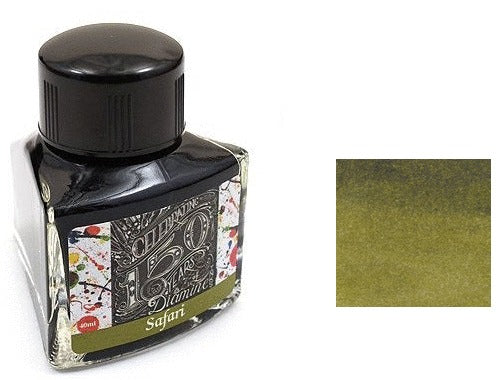
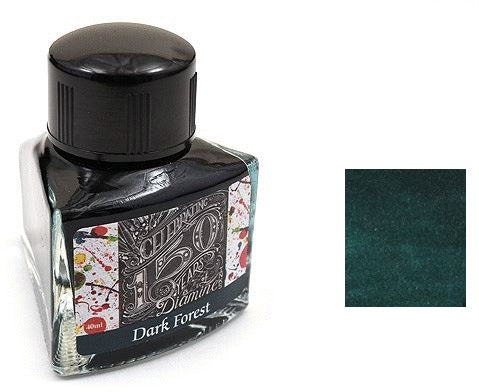
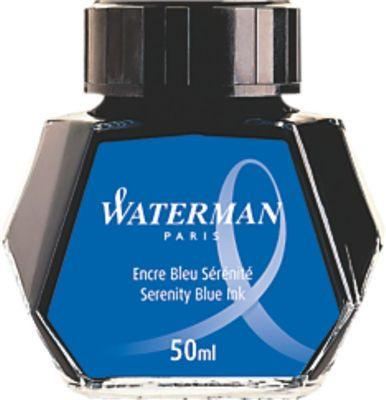
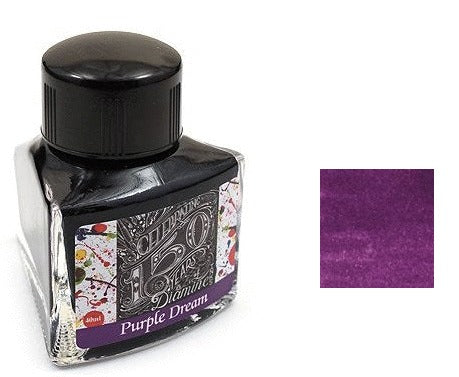
Fountain Pen Bottled Ink
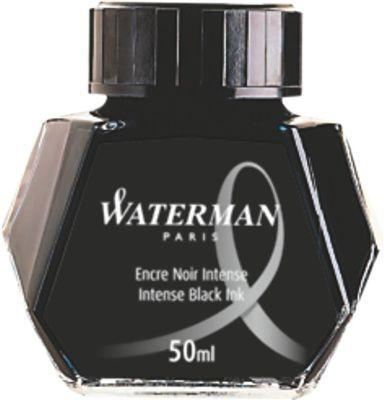
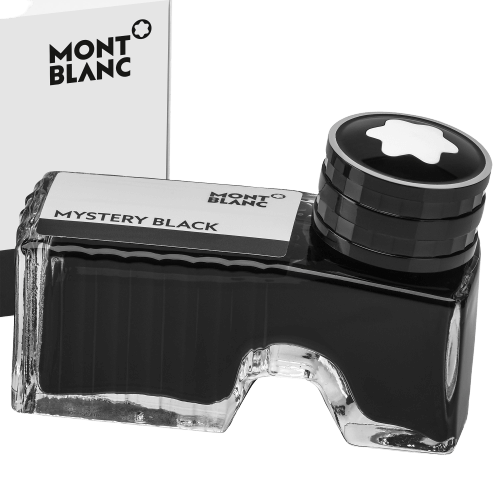
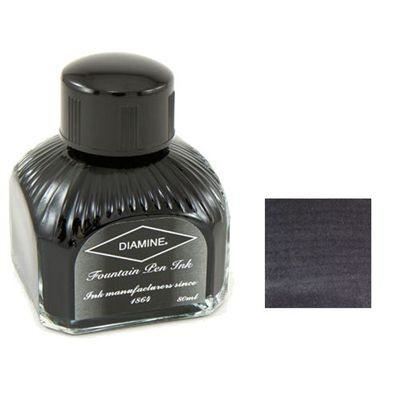
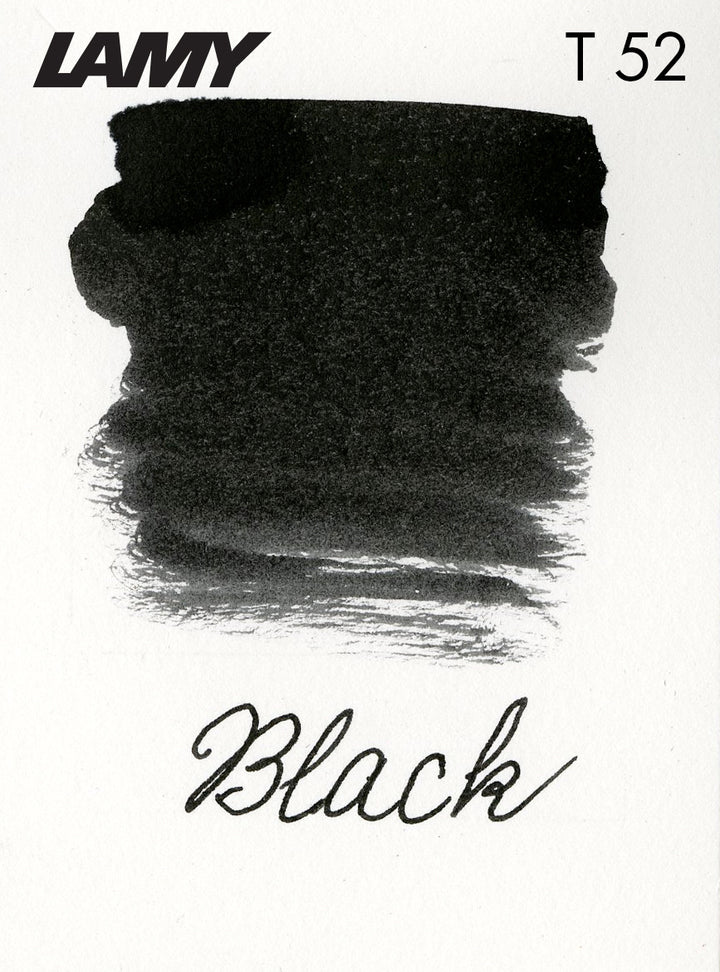
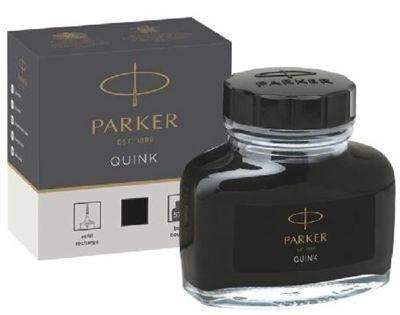
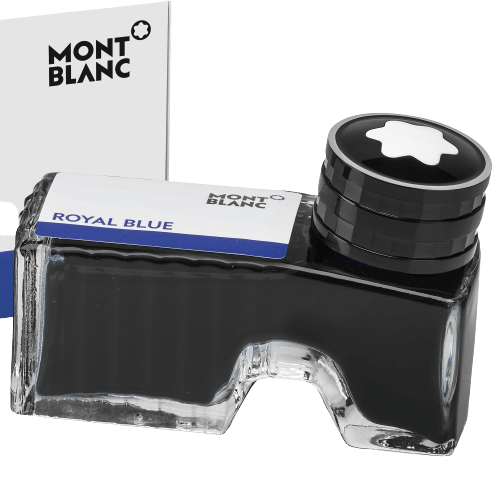
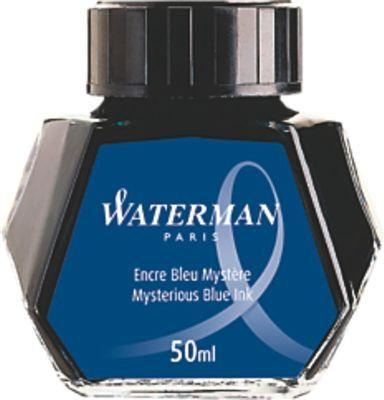
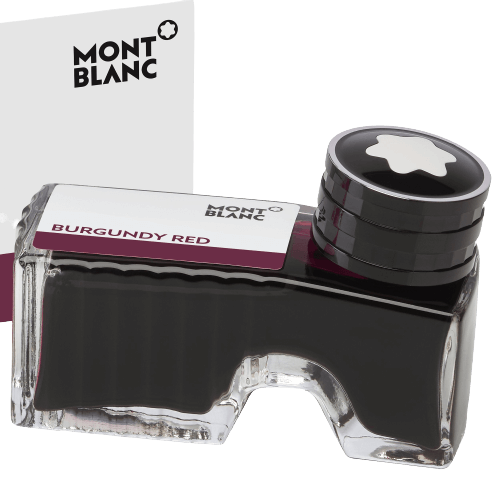
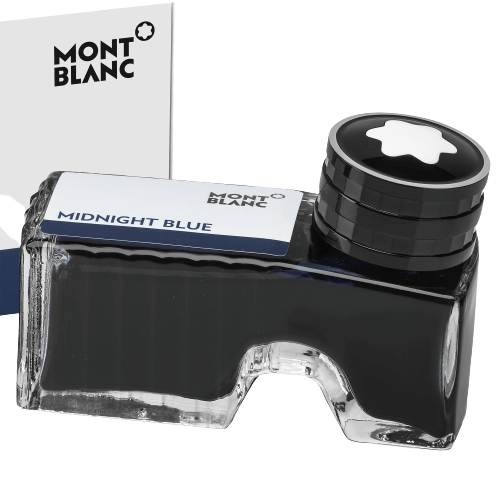
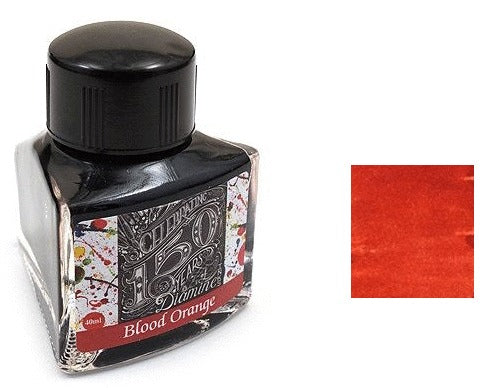
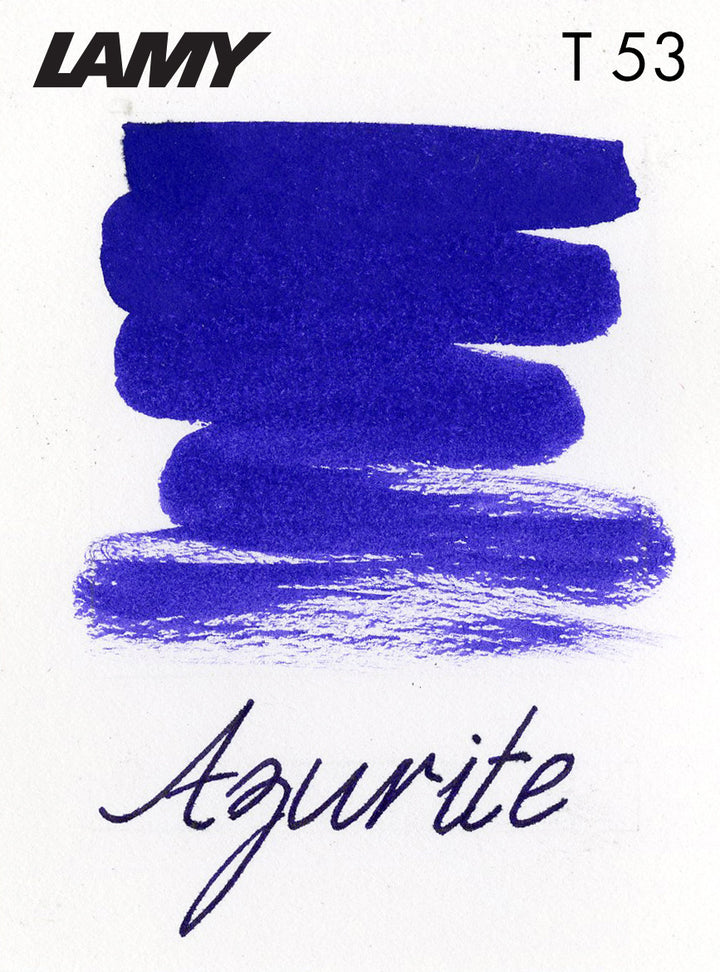
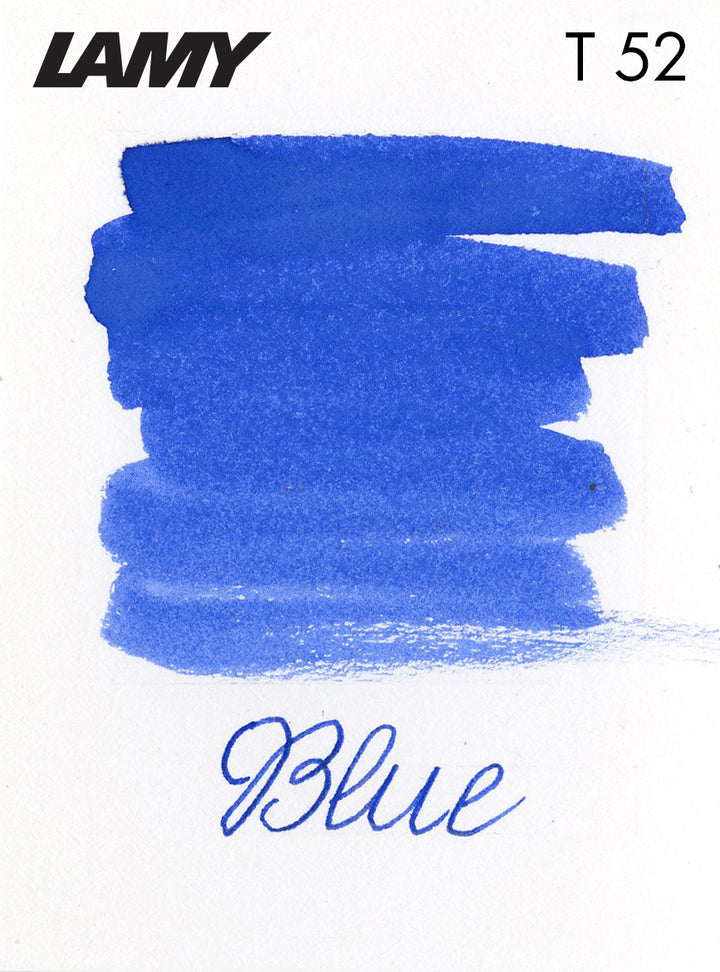
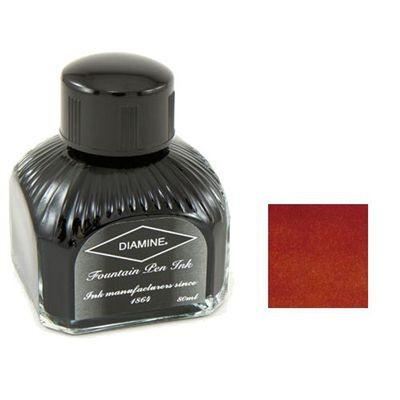
Bottled ink is the reason people fall down the fountain pen rabbit hole. It costs a fraction of cartridges per millilitre, it comes in hundreds of colours no cartridge line will ever offer, and filling a pen from a bottle is a small daily ritual that cartridge users quietly envy.
Almost all bottled fountain pen ink is water-based and dye-based, which is what makes it safe for a nib and feed. Pigmented and iron gall inks add permanence and water resistance, and in exchange ask for more frequent flushing — excellent for documents, less forgiving if a pen sits unused for a month. Shimmer inks carry fine particles that look spectacular on good paper and clog fine nibs if you let them settle.
Paper matters as much as the ink. A wet, saturated ink that feathers into a mess on cheap copier paper can be perfect on a smooth 90 gsm notebook, where it will show shading, sheen and colour depth. If an ink disappoints you, try it on better paper before you give up on it.
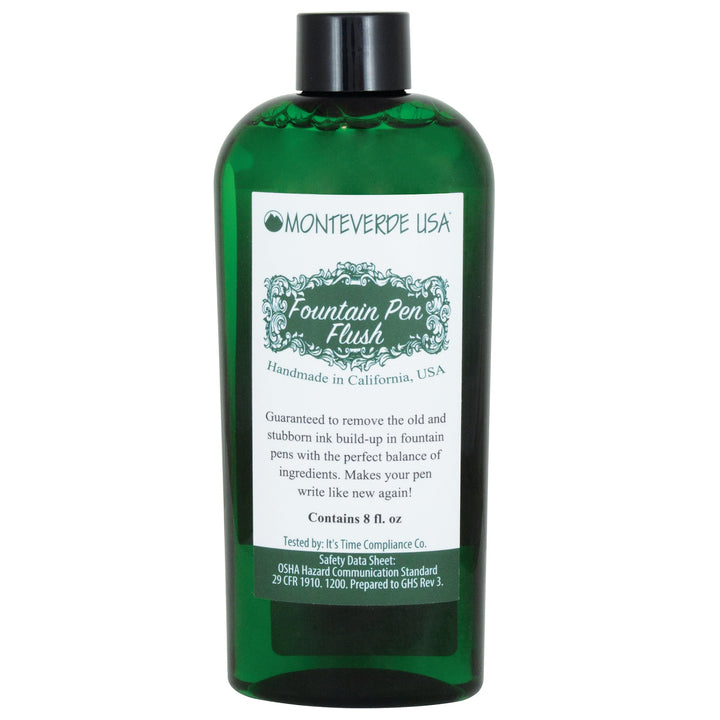
Practical notes on living with bottled ink. Keep bottles upright, capped and out of direct sun, and they will last for years. Do not mix inks from different makers in the same fill unless you know the pair is safe; some combinations precipitate and can block a feed. Flush the pen with cool water whenever you change colour, and more thoroughly when moving from a saturated or pigmented ink to a pale one. If a pen is going into a drawer for a month, empty and rinse it first — dried ink in a feed is the single most common reason a good pen stops writing.