Fountain & Calligraphy Pens
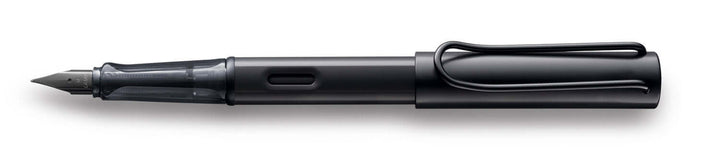
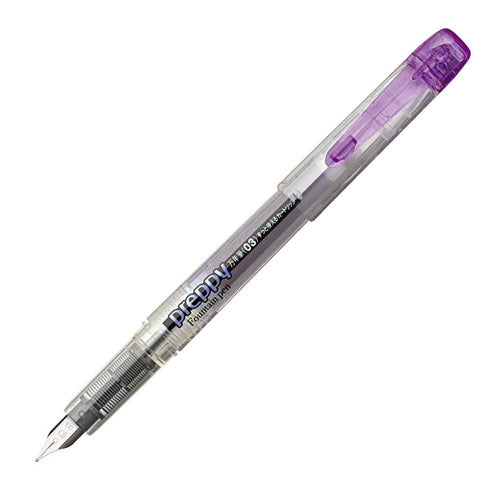
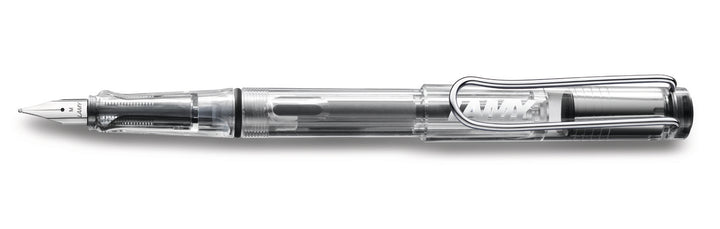
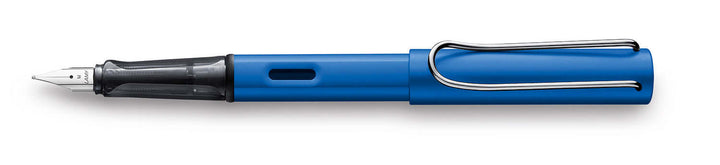
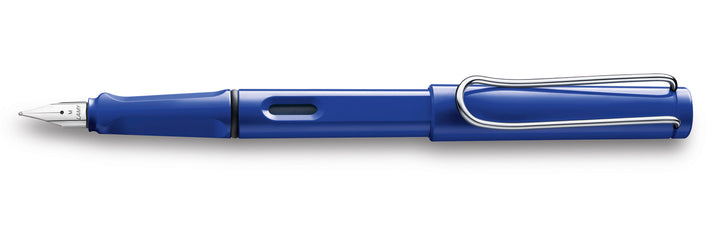
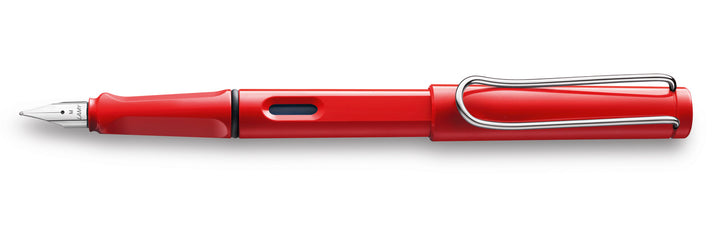
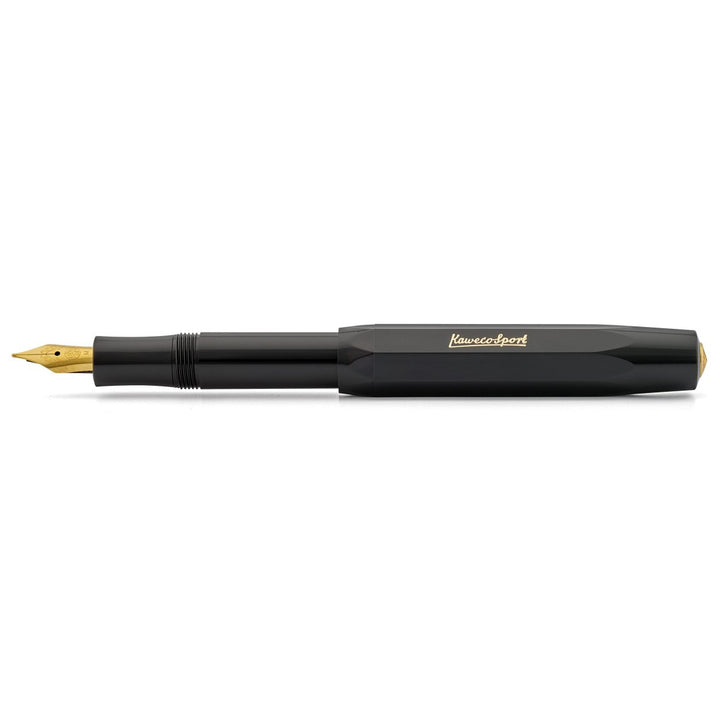
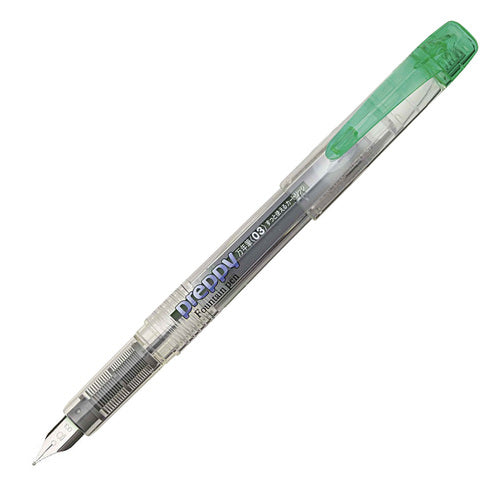
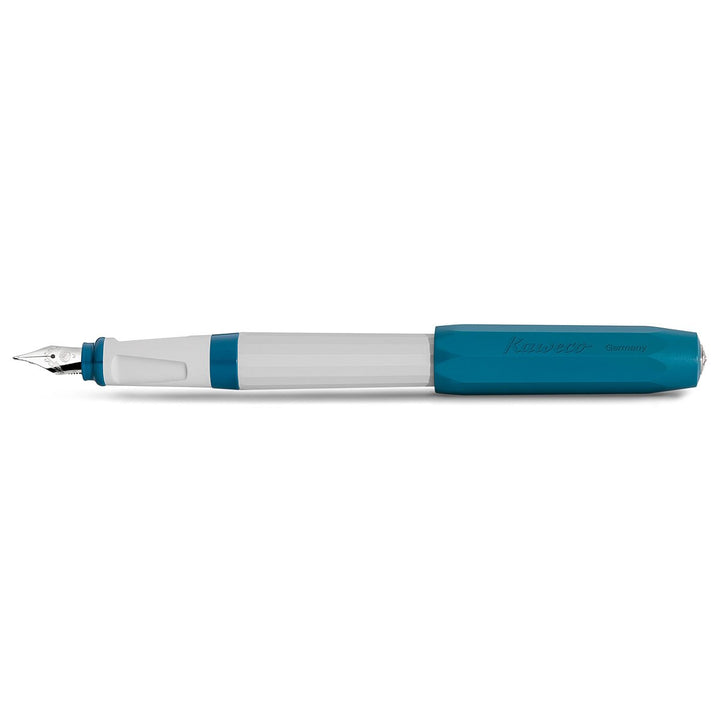
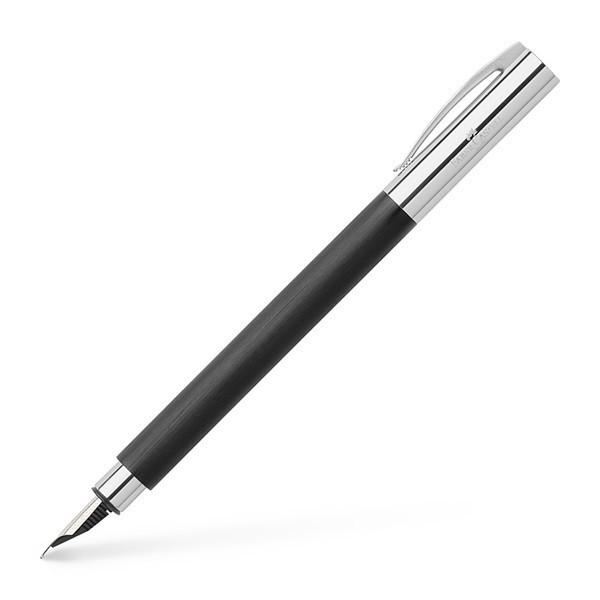
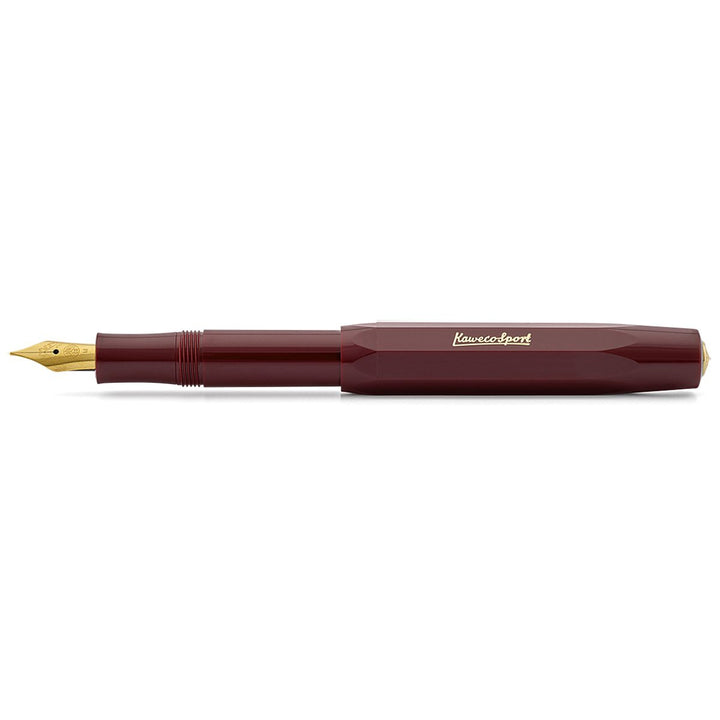
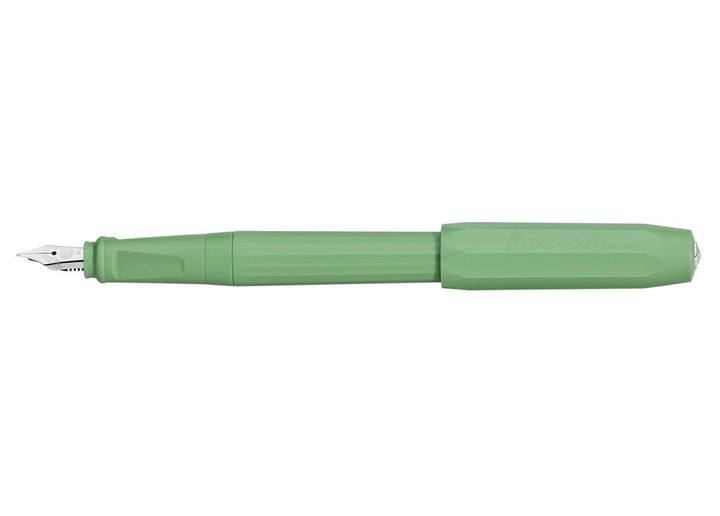
A fountain pen lays ink onto the page rather than pushing it, which is why it needs almost no pressure and why long writing sessions are so much less tiring with one. The nib is the whole instrument: its width sets the line, its material sets the feedback, and its tuning sets how wet and how forgiving the pen feels.
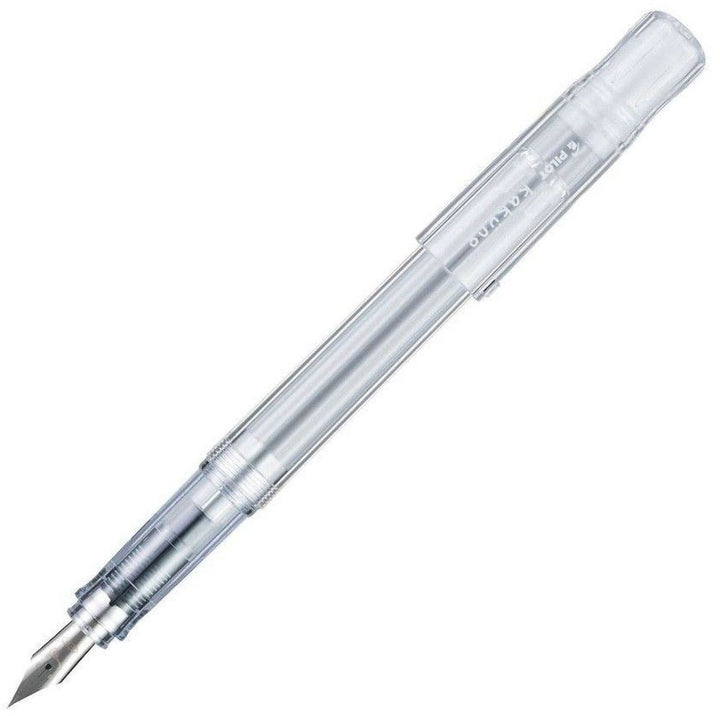
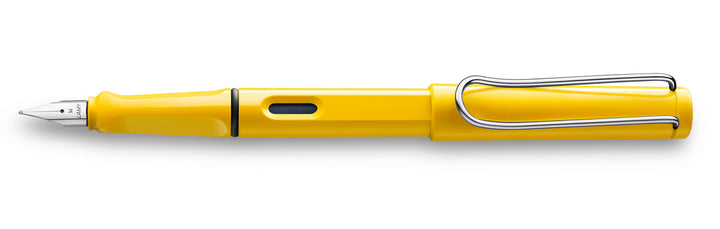
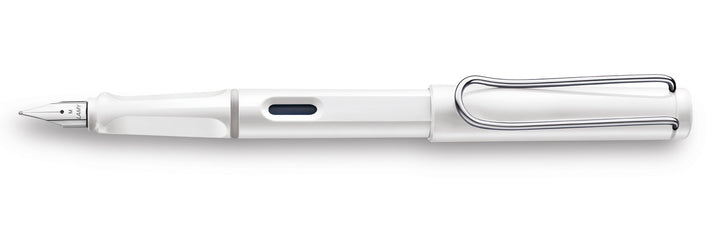
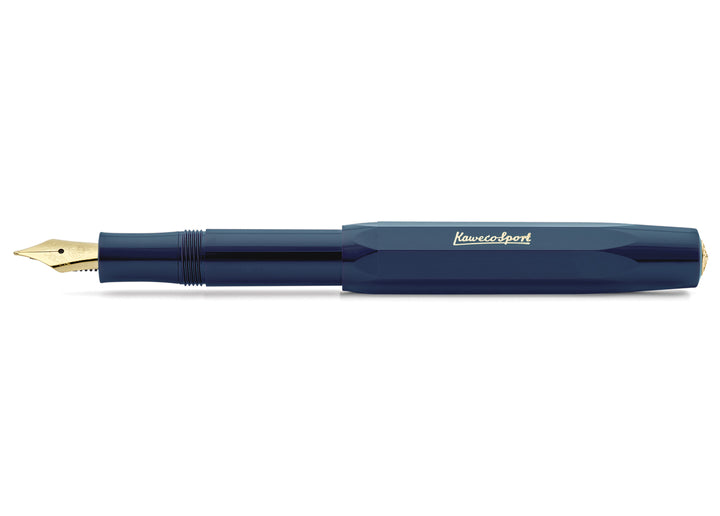
Steel nibs are firm, consistent and hard to damage — the right choice for a first pen and for anyone with a heavy hand. Gold nibs flex very slightly under pressure, giving a softer, more responsive feel that some writers love and others find vague. Width runs from extra-fine, which keeps small handwriting legible and suits thin paper, through fine and medium, to broad and stub nibs that reward large writing and show off an ink’s shading.
Calligraphy nibs are a category apart: italic and stub grinds produce a deliberate contrast between thick downstrokes and thin cross-strokes, which is what makes lettering look like lettering. They are unforgiving of a bad grip and enormously satisfying once the angle clicks.
Whichever you choose, plan the ink at the same time. Cartridges are convenient, a converter opens up bottled ink, and the pen you enjoy filling is the pen you will carry.
A last practical word on care. Flush a new pen before its first fill, rinse with cool water whenever you change ink, and never use hot water or solvents on a feed. Store pens nib-up or flat, never nib-down in a bag, and empty a pen that is going unused for a month. Done consistently, this is perhaps five minutes of work a month, and it is the difference between a pen that writes reliably for decades and one that is declared “broken” after two years.