Waterman Pens
Waterman Pens

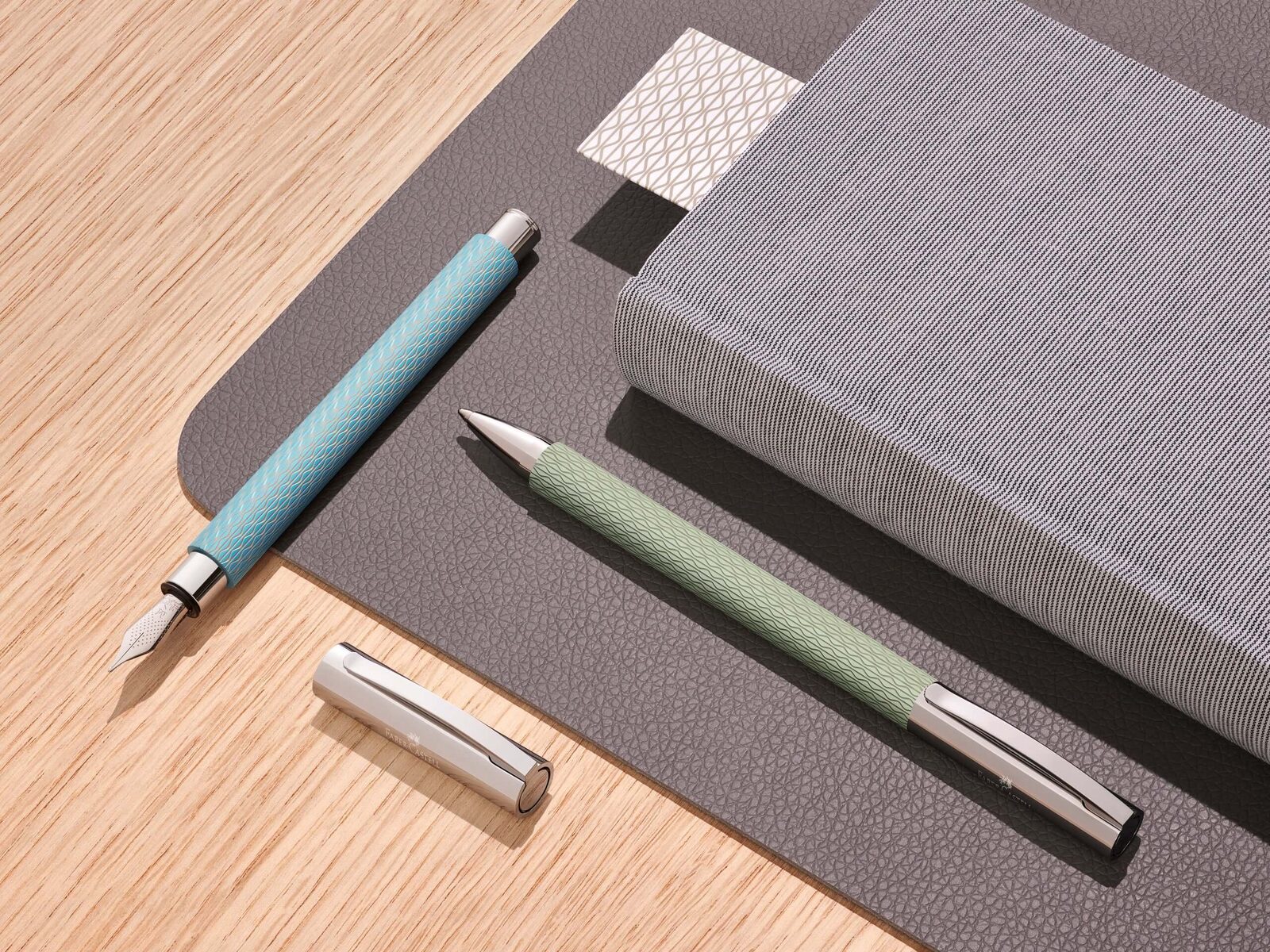
A fine writing instrument is one of the few everyday objects that gets better with use. The nib settles to your hand, the barrel takes on the patina of being carried, and the thing quietly becomes yours in a way that a disposable stick pen never will. That is the whole argument for spending more than a few pounds on something to write with — not luxury for its own sake, but an object that is repairable, refillable and worth keeping.
Start with how you actually write. If you press hard, a soft gold nib will fight you and a sturdy steel one will not. If you write in small margins, a fine or extra-fine point keeps the letters legible; if you sign things all day, a broad nib and a wet ink are far more satisfying. Left-handed writers who push the nib rather than pull it are usually happier with a rollerball or a fast-drying ink than with a wet, slow-drying blue-black. None of this is snobbery — it is the difference between a pen you reach for and a pen that lives in a drawer.
Weight and balance matter more than most people expect, and they matter most when the cap is posted on the back. A pen that feels perfect in the hand uncapped can become tail-heavy the moment you post it. If you can, hold a pen before you commit; if you cannot, look at the published weight and the barrel diameter, and compare them against something you already own and like.
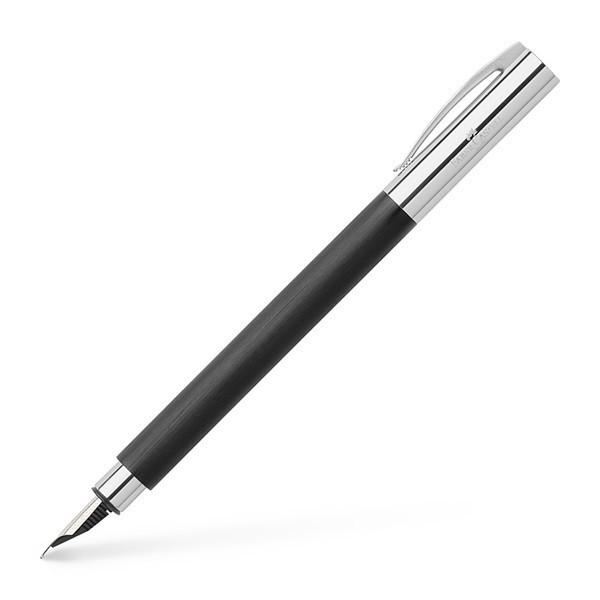
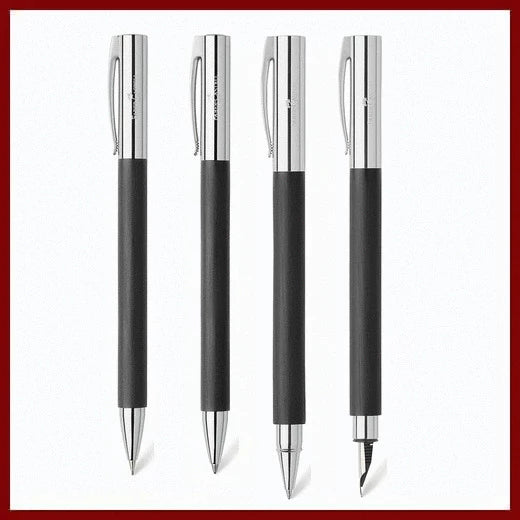
Fountain pens reward a light hand and give you the widest choice of ink. They need occasional cleaning, they can be temperamental on cheap paper, and they are the only category where the writing experience is genuinely tunable — nib width, ink flow, paper and even the weather all change what comes out.
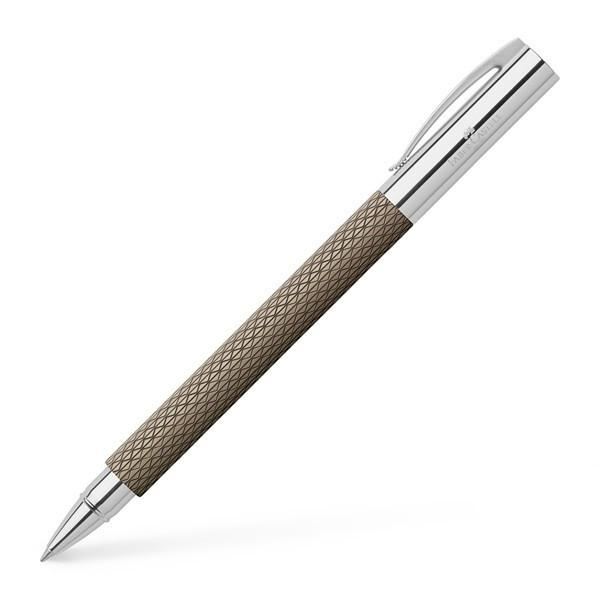
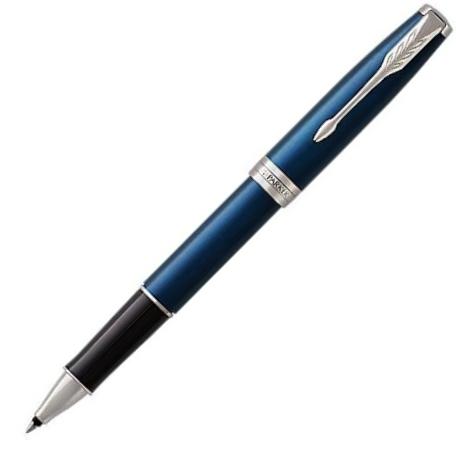
Rollerballs give much of that wet, effortless line with none of the maintenance. They go through refills faster than a ballpoint and can bleed on thin paper, but for most people they are the easiest upgrade from an office biro.
Ballpoints are the workhorses: reliable on carbon copies, on damp paper, upside down, in the cold. A good ballpoint refill in a well-made barrel is an unglamorous but genuinely excellent tool, and modern hybrid and gel refills have closed much of the gap in smoothness.
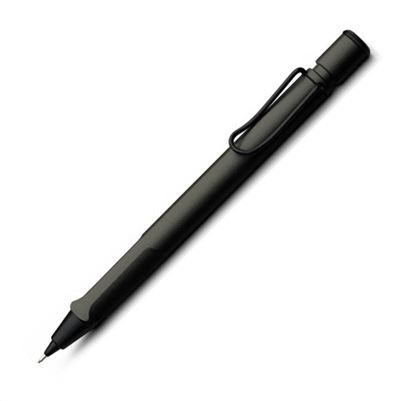
Mechanical pencils deserve more attention than they get. A 0.5 mm lead in a metal-bodied pencil with a proper lead grade suited to your pressure is a revelation for anyone who sketches, drafts, or simply likes being able to undo a line.
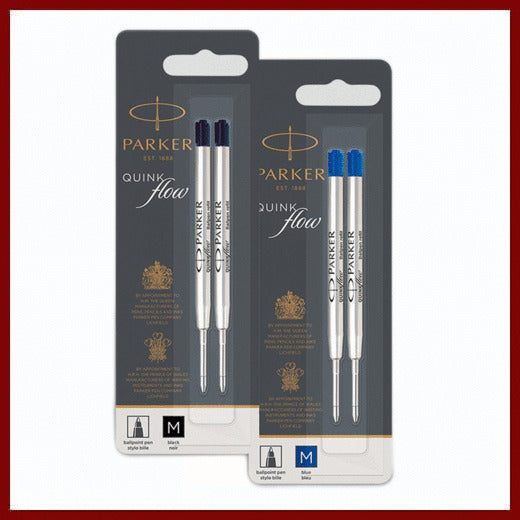
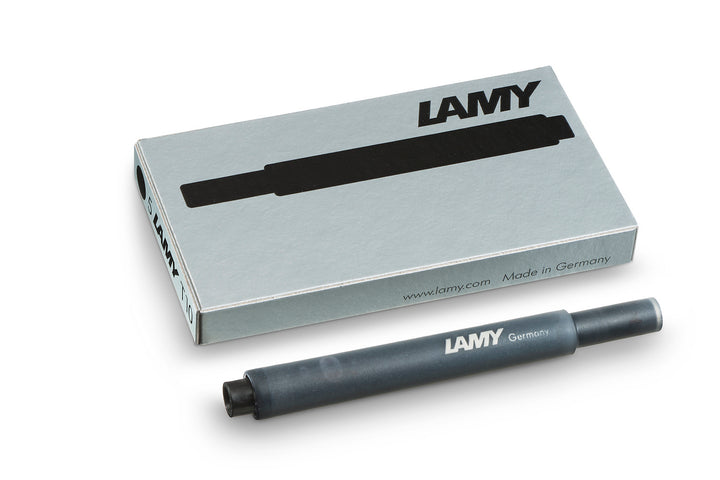
The single most common disappointment with a good pen is discovering, three years in, that nobody stocks the refill any more. Before you buy, check what the pen takes: an international short or long cartridge, a proprietary converter, a Parker-style G2 ballpoint refill, a Pilot G2 gel, a 0.5 mm or 0.7 mm lead. Standard fittings are worth a great deal, because they let you change the writing experience without changing the pen.
Our pen refill guide explains the common formats and which pens take which, and refills by brand lets you work backwards from the pen you already own. From there you can browse ink cartridges, bottled ink, converters, nibs, ballpoint and rollerball refills, or lead and erasers.
Fountain pens want flushing with cool water every few fills, and more often if you switch between strongly pigmented inks. Never use hot water on a converter or feed, never leave a pen nib-down in a bag, and if a pen is going to sit unused for a month, empty it first. Ballpoint and rollerball refills simply need replacing when the line skips — do not try to revive them with heat, which is a good way to ruin a barrel.
Store pens flat or nib-up, out of direct sun, and away from radiators. Cheap leather cases with a hard press-stud can dent a cap over time; a simple sleeve is kinder. Treated sensibly, a decent pen will outlast most of the electronics you own.
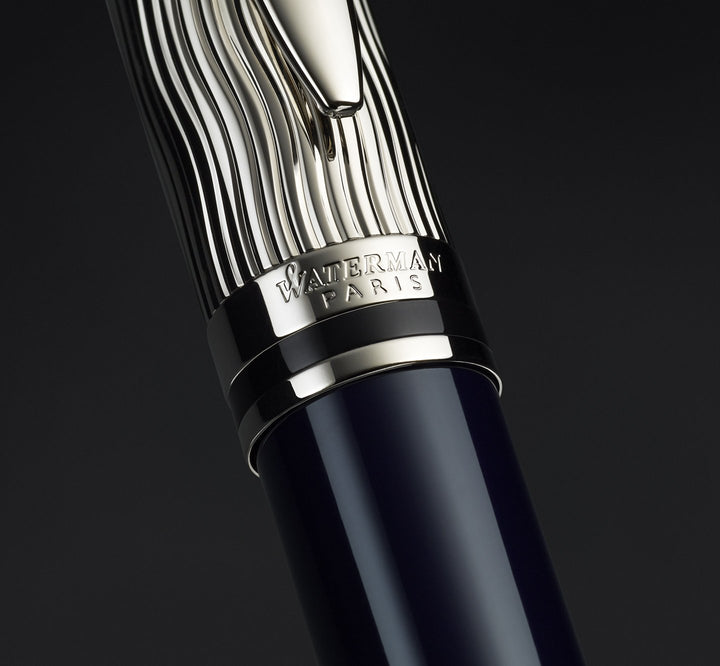
Styled to surprise your senses. Designed to accessorize your imagination. Crafted to tickle your creativity. Because when writing is a pleasure, wonderful things happen.
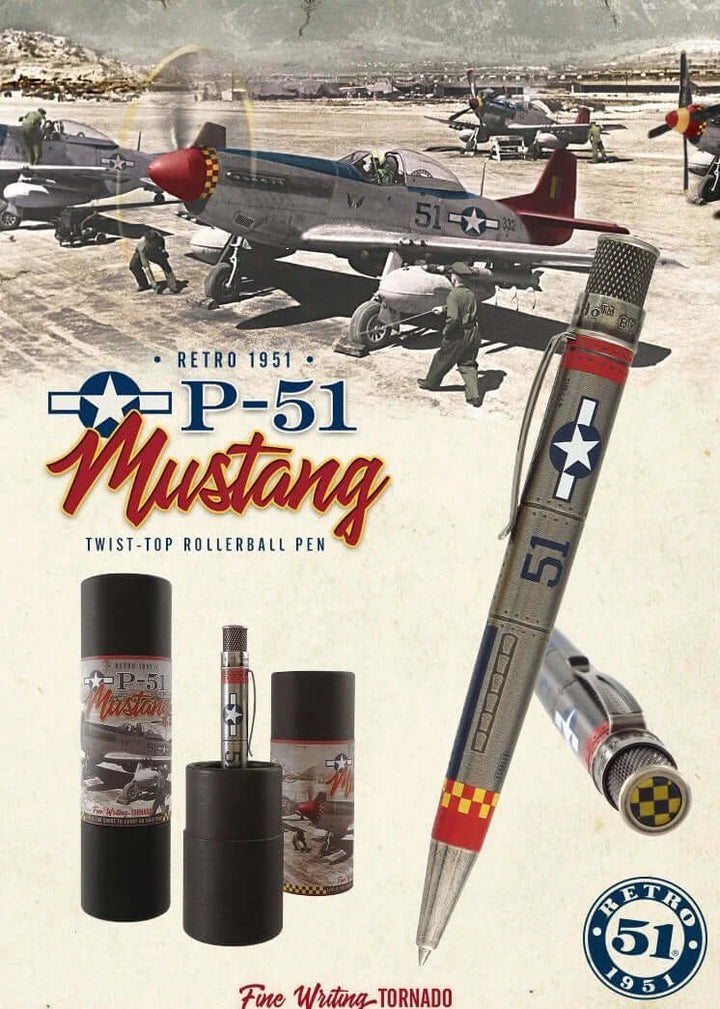
Why carry an ugly pen? Each pen is loaded in a packaging tube that doubles as a pen stand. This pen will blow you away.
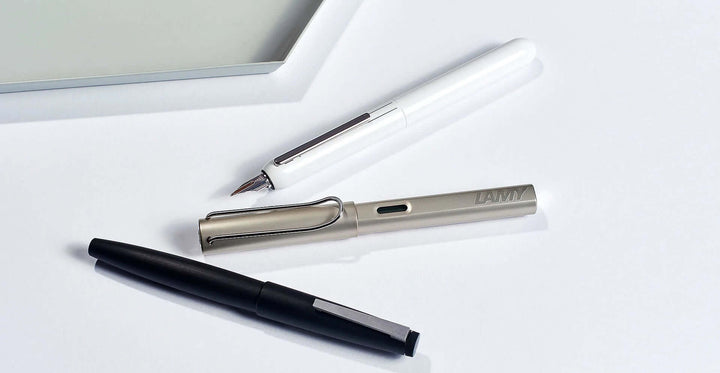
The LAMY brand stands for high-quality designer writing instruments defined by their timeless modern aesthetics and perfect functionality.