Pencils
A mechanical pencil holds a constant line width for as long as you own it, never needs sharpening, and is the only writing instrument you can undo. For drafting, sketching, maths, music and any work that gets revised, it remains unbeaten.
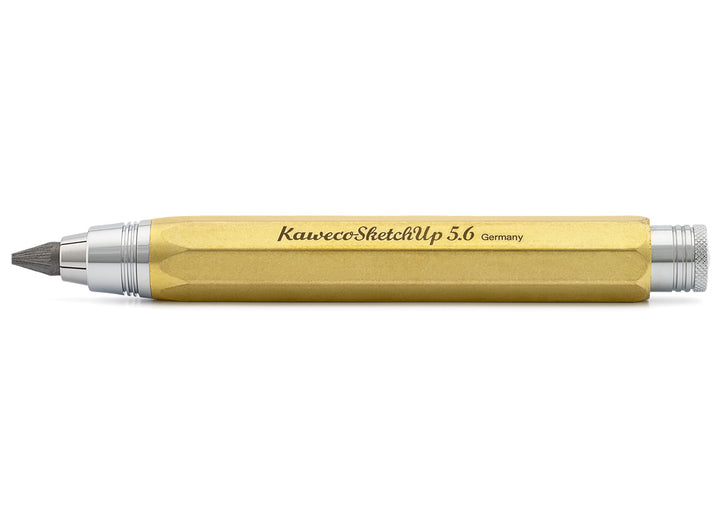
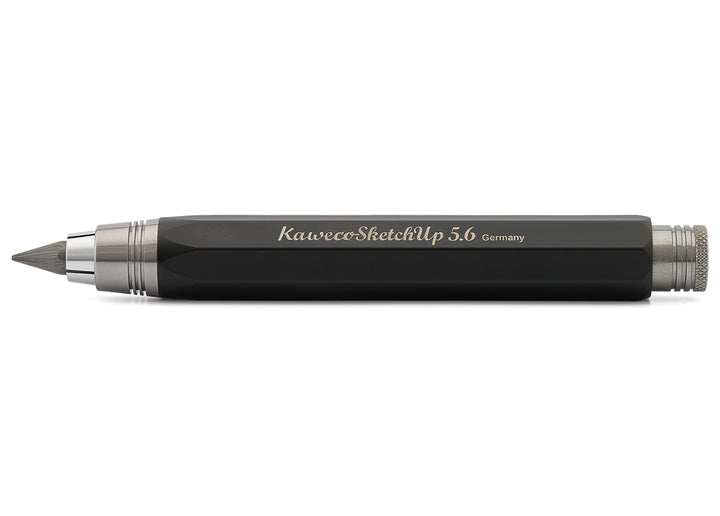
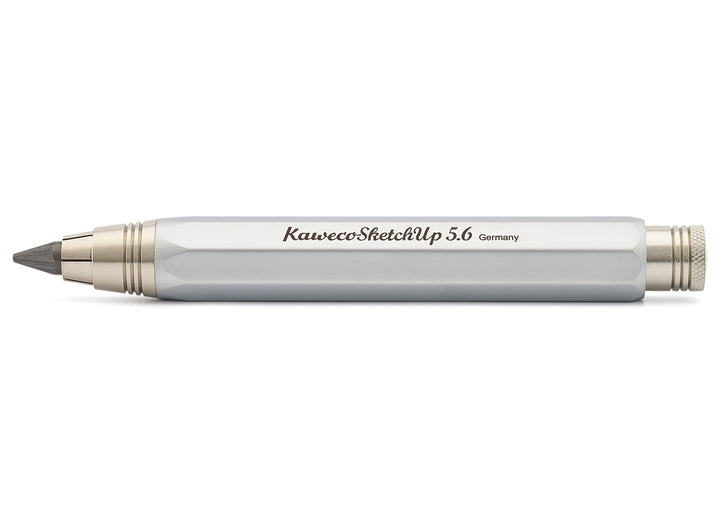
Lead diameter sets the character. 0.5 mm is the general-purpose choice: fine enough for small writing and technical work, strong enough for normal pressure. 0.7 mm suits larger handwriting and heavier hands and breaks far less often. 0.9 mm and above behave more like a traditional pencil and are excellent for sketching. Grade matters as much as width: HB for everyday writing, B and 2B for drawing and for anyone who writes lightly, H and 2H for drafting where a crisp, pale line is wanted.
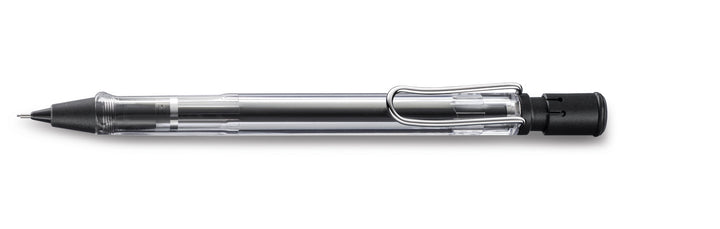
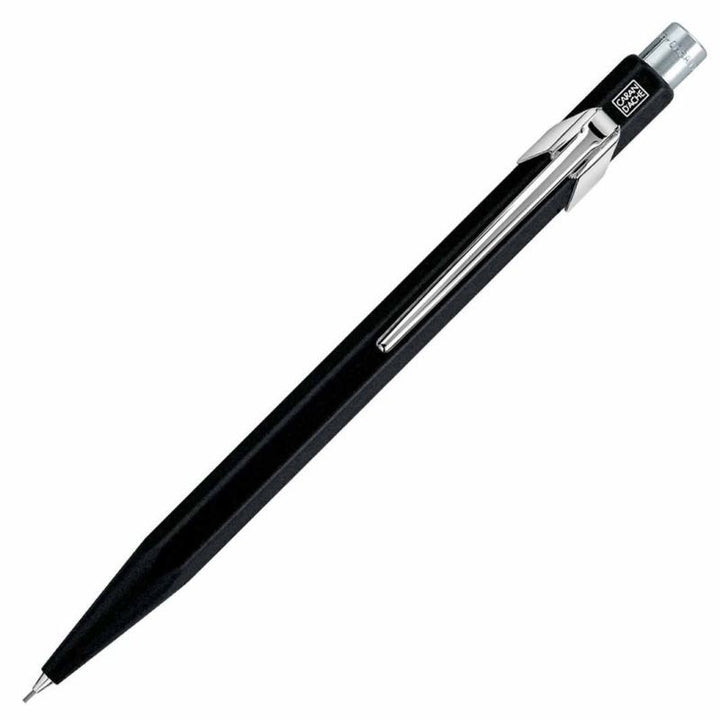
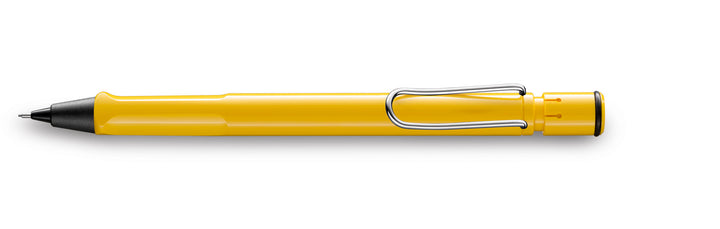
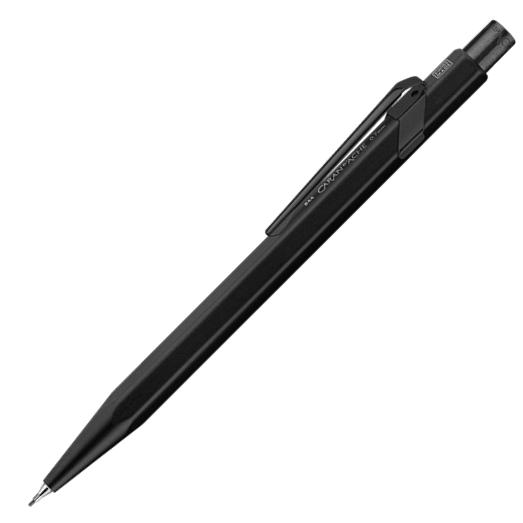
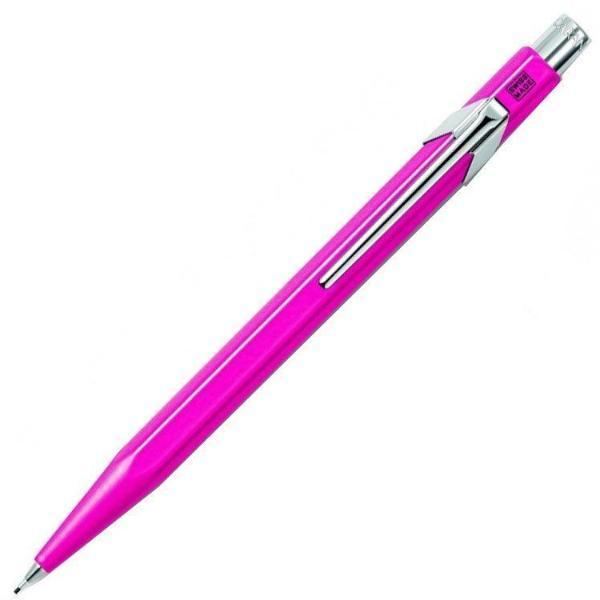
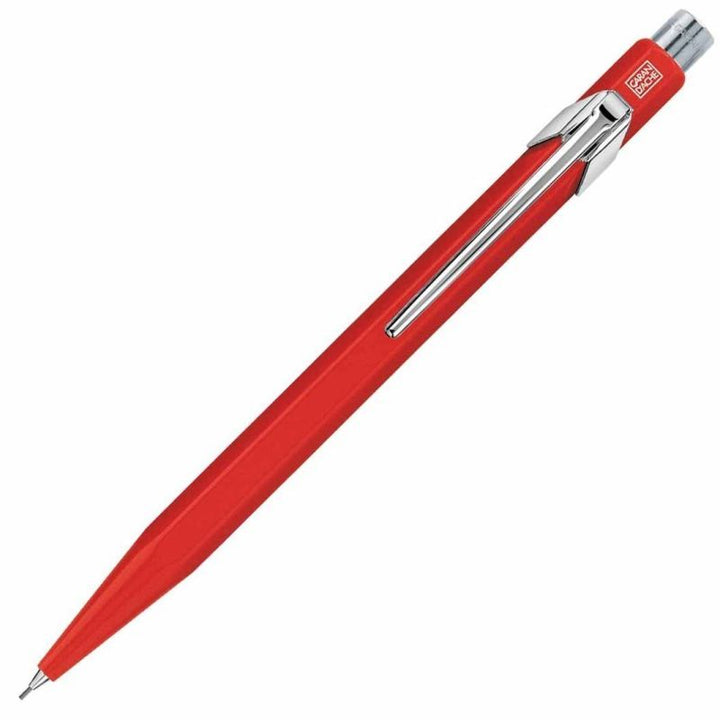
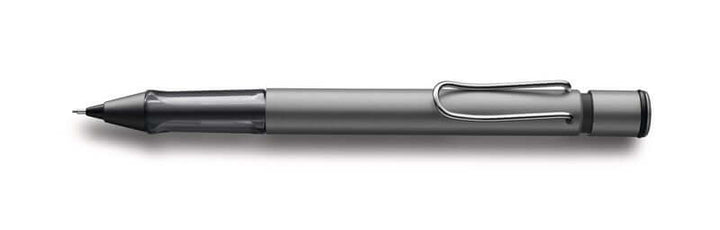
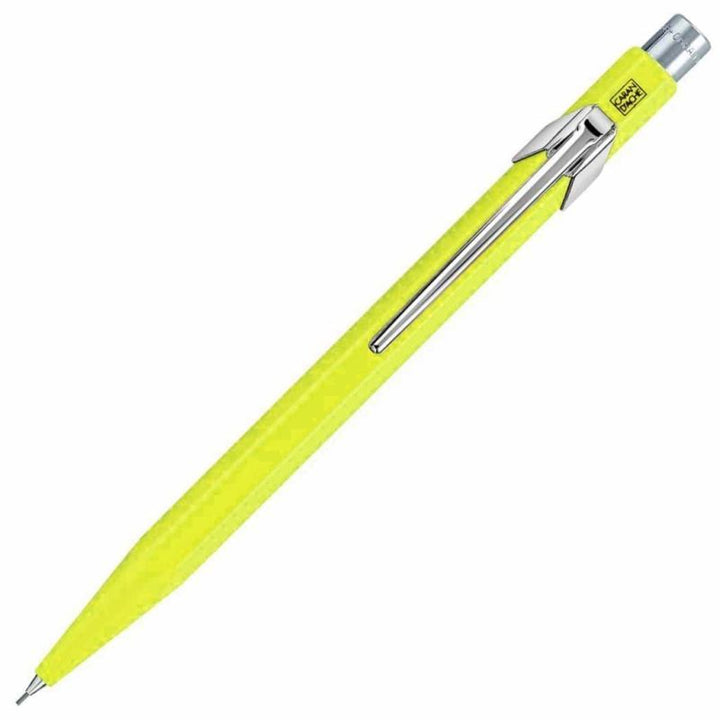
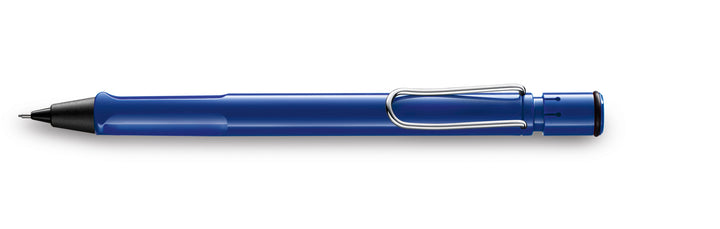
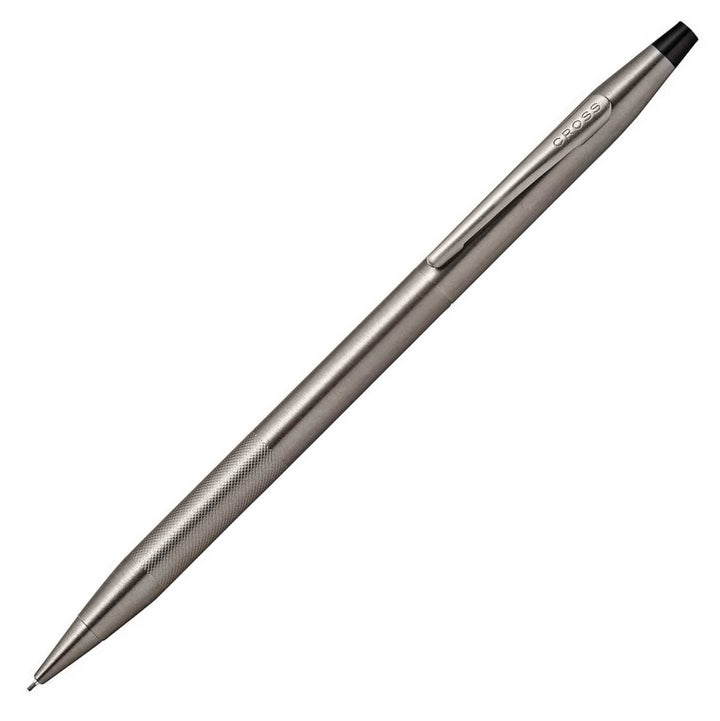
Look for a metal-bodied pencil with a guide pipe if you use a ruler, a retractable tip if it lives in a pocket, and a mechanism that advances a consistent amount per click. A good one lasts decades on a few pounds of lead a year.
Buying advice in one line: choose the diameter for your pressure, the grade for your paper, and the body for how long you write. Beyond that, the details that matter day to day are a tip that retracts or a sleeve short enough not to bend in a pocket, an eraser you can actually replace, and a clip that survives being clipped. Refill capacity is worth a glance too — a pencil that holds a full tube of lead is far more convenient than one that takes two sticks at a time.